Bat Illustration Art: A Strategic Design Element for Creative and Commercial Use
Bat illustration art is a powerful visual tool that can elevate creative projects, enhance brand identity, and engage audiences with its unique symbolism and aesthetic appeal. Whether you're designing for Halloween, creating a spooky-themed logo, or looking for versatile graphic elements for print or digital use, bat illustrations offer a range of possibilities. This article explores how to strategically use bat illustration art in your work, the benefits it brings, and practical considerations for integrating it into your creative process.
Understanding Bat Illustration Art
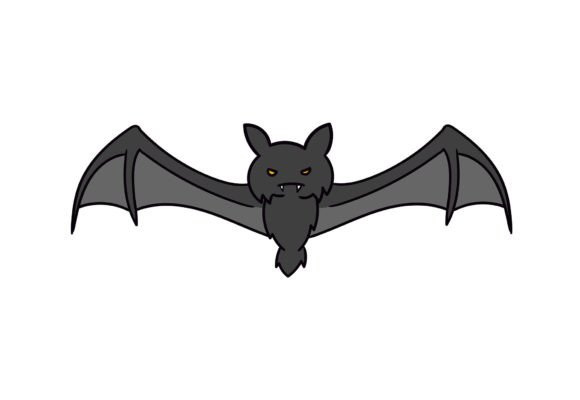
Bat illustration art refers to the visual representation of bats in various artistic styles, from realistic to stylized and cartoonish. These illustrations are often used in themes related to Halloween, night, mystery, and adventure. The versatility of bat imagery makes it suitable for multiple applications, including logos, stickers, book covers, and website graphics.
The design element is particularly popular during the fall season but can also be adapted for year-round use, especially in niche markets like horror fiction, fantasy art, and themed branding. With scalable vector formats, such as SVG, EPS, and AI, bat illustrations can be resized without losing quality, making them ideal for both small and large-scale projects.
Strategic Uses of Bat Illustration Art
When used thoughtfully, bat illustration art can support a variety of strategic goals. Here are some key areas where this design element can make an impact:
- Branding and Marketing: Bats can symbolize mystery, agility, and nocturnal strength—qualities that may align with certain brands or campaigns. For example, a fitness brand might use a bat illustration to emphasize speed and endurance.
- Seasonal Campaigns: Halloween is a prime time for bat illustration art. It can be used in promotional materials, social media content, and event signage to create a cohesive and engaging theme.
- Product Design: From stickers to greeting cards, bat illustrations add a unique touch to products. They can be incorporated into print-on-demand items, offering creators new revenue streams through platforms like Etsy or Shopify.
- Content Creation: Bloggers, publishers, and educators can use bat illustrations to visually enrich articles, books, or educational materials related to wildlife, mythology, or science.
By aligning bat illustration art with specific themes or brand identities, you can create more meaningful and memorable experiences for your audience.
Practical Applications and Planning Tips
Before incorporating bat illustration art into your project, consider the following factors to ensure it meets your goals effectively:
- Determine the Purpose: Are you using the illustration for a Halloween promotion, a logo, or a background graphic? Knowing the purpose will help you choose the right style and complexity.
- Choose the Right Format: Depending on your needs, select between vector formats (SVG, EPS, AI) for scalability or raster formats (PNG, JPG) for web use. Vector files are especially useful for cutting with tools like Cricut.
- Consider the Context: Ensure the bat illustration complements the overall design and does not clash with other visual elements. Balance is key to maintaining professionalism and visual harmony.
- Evaluate Licensing: If you're using a purchased illustration, confirm the licensing terms to avoid legal issues. Some designs may have restrictions on commercial use or require attribution.
Planning ahead helps prevent last-minute changes and ensures that your final product aligns with your vision and objectives.
Integrating Bat Illustration Art into Design Software
Bat illustration art is compatible with a wide range of design software, including Adobe Photoshop, Illustrator, GIMP, and Inkscape. This compatibility allows designers to edit, customize, and integrate the illustration seamlessly into their workflow.
For instance, if you're working on a website, you can use the PNG version of the bat illustration as a background or icon. In print design, the high-resolution JPEG or TIFF format ensures crisp details when printed at scale. The vector format, such as SVG or AI, is ideal for editing in Illustrator or for laser cutting and engraving.
Designers should also consider layering the bat illustration with other elements, such as text or textures, to create depth and visual interest. Experimenting with color schemes and effects can further enhance the illustration's impact.
Risks of Using Bat Illustration Art Without Strategy
While bat illustration art offers many benefits, it can also pose risks if used carelessly. Here are some potential pitfalls to avoid:
- Misalignment with Brand Identity: Using a bat illustration that doesn't match your brand's tone or message can confuse your audience or dilute your brand image.
- Overuse or Repetition: Repeating the same illustration across all marketing materials can lead to visual fatigue and reduce its effectiveness over time.
- Lack of Originality: Simply copying an existing bat illustration without modification can result in a generic look that fails to stand out in a competitive market.
To mitigate these risks, invest time in researching and selecting illustrations that align with your brand's values and aesthetics. Customizing the design to fit your needs can also help maintain originality and relevance.
Conclusion
Bat illustration art is more than just a decorative element—it's a strategic asset that can enhance creativity, support branding efforts, and improve customer engagement. By understanding its potential uses, planning carefully, and integrating it thoughtfully into your projects, you can unlock its full value.
Whether you're a designer, marketer, or entrepreneur, exploring the world of bat illustration art can open up new opportunities for innovation and expression. As you move forward, remember to prioritize quality, alignment, and purpose to achieve the best results.