Enhance Your Designs with Skin Tones Gradients: A Versatile Tool for Creative Projects
Designing visually appealing content has become an essential part of modern creativity, whether you're working on digital art, branding, or social media. One of the most powerful tools in a designer's arsenal is the use of skin tones gradients. These gradients are not only aesthetically pleasing but also incredibly versatile, allowing designers to add depth, realism, and emotional resonance to their projects. In this article, we'll explore what skin tones gradients are, why they matter, and how they can elevate your creative work across various platforms.
What Are Skin Tones Gradients?
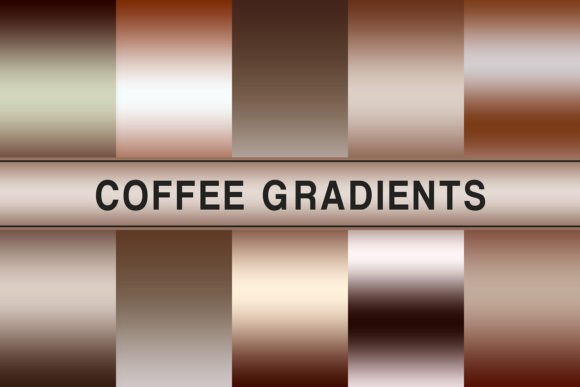
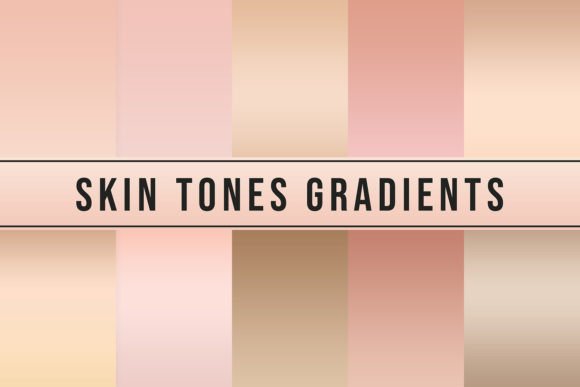
Skin tones gradients are color transitions that mimic the natural variations found in human skin. These gradients typically consist of a range of warm hues, from light beige to deep brown, designed to reflect the diversity of skin tones. Unlike standard color gradients, which might focus on contrasting colors, skin tone gradients are carefully crafted to represent realistic skin textures and shades.
These gradients are often created using high-quality image processing techniques and are available in formats like GRD (Gradient) which are compatible with Adobe Photoshop CC and higher. This makes them accessible to both beginners and professionals who want to incorporate realistic skin tones into their designs.
The Purpose and Significance of Skin Tones Gradients
The purpose of skin tones gradients extends beyond aesthetics. They serve as a tool for inclusivity, representation, and authenticity in design. By incorporating a wide range of skin tones, designers can ensure their work resonates with a broader audience and avoids stereotypes or misrepresentation.
In addition to their cultural significance, skin tone gradients play a crucial role in enhancing visual storytelling. Whether you're designing a character for a video game, creating a product mockup, or developing a website, these gradients help bring elements to life with a sense of realism and warmth.
Why Skin Tones Gradients Matter in Modern Design
In today's digital age, where visuals dominate online interactions, the importance of thoughtful design cannot be overstated. Skin tone gradients offer a way to add subtle yet impactful details to any project. Their ability to blend seamlessly with other design elements makes them ideal for use in a variety of contexts.
For instance, when designing a social media post, adding a skin tone gradient as a background can make text overlays more readable and visually engaging. Similarly, in branding, these gradients can be used to create logos or icons that feel more human and relatable.
Practical Applications Across Different Industries
Skin tone gradients are incredibly versatile and can be applied across numerous industries and creative fields. Here are some examples:
- Graphics and Web Design: Use skin tone gradients as backgrounds or overlays to add depth and interest to websites, banners, and posters.
- Photography and Digital Scrapbooking: Incorporate these gradients into photo albums or scrapbook layouts to enhance the mood and atmosphere of the images.
- Business Cards and Branding: Create unique business cards or branding materials that stand out by using skin tone gradients as a design element.
- Social Media Content: Add a touch of realism to posts, stories, or reels by using these gradients in the background or as part of the design.
- Crafts and Paper Art: Use skin tone gradients in paper crafts, invitations, or party decorations to add a personal and artistic flair.
Whether you're a professional designer or a hobbyist, there's no shortage of ways to utilize skin tone gradients in your creative process.
How to Use Skin Tones Gradients Effectively
Using skin tone gradients effectively requires understanding how to integrate them into your designs without overwhelming the overall composition. Here are a few tips to help you get started:
- Layer Wisely: Apply gradients as layers beneath other design elements to avoid clutter and maintain clarity.
- Balance Colors: Choose gradients that complement the rest of your color palette rather than competing with it.
- Experiment with Transparency: Adjust the opacity of the gradient to achieve the desired effect, whether it's subtle or bold.
- Combine with Textures: Pair skin tone gradients with textures or patterns to add more dimension and complexity to your designs.
- Test on Multiple Devices: Ensure that your design looks good on different screen sizes and resolutions before finalizing it.
Common Misconceptions About Skin Tone Gradients
Despite their usefulness, there are a few common misconceptions about skin tone gradients that designers should be aware of:
- Misconception 1: Skin tone gradients are only useful for realistic portraits. Reality: While they can be used for portraits, they're also great for abstract designs, backgrounds, and even non-human elements like animals or objects.
- Misconception 2: Only professional designers can use skin tone gradients. Reality: With the right tools and resources, anyone can incorporate these gradients into their projects, regardless of skill level.
- Misconception 3: Skin tone gradients are limited in their application. Reality: These gradients are highly adaptable and can be used in almost any creative field, from digital art to print media.
Conclusion: Elevate Your Creative Projects with Skin Tones Gradients
Skin tone gradients are more than just a design tool—they're a way to celebrate diversity, enhance visual appeal, and bring authenticity to your creative work. Whether you're working on a simple poster or a complex digital artwork, these gradients can add a new dimension to your designs.
By understanding their purpose, significance, and practical applications, you can unlock new possibilities in your creative journey. So go ahead, explore the world of skin tone gradients, and see how they can transform your projects into something truly remarkable.