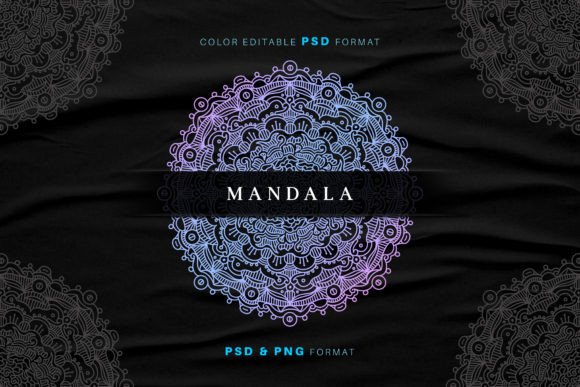
Sublimation Mandala Design: A Versatile Tool for Creative Projects
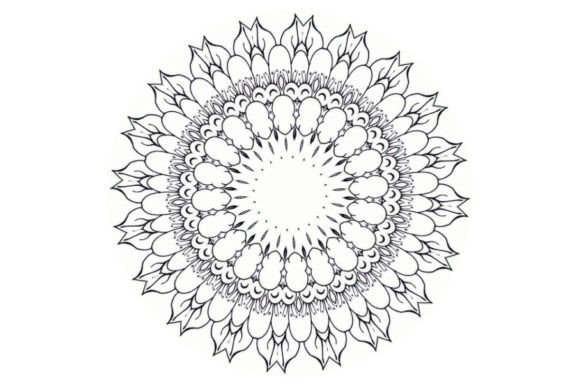
Sublimation Mandala Design is a powerful and flexible resource that brings intricate circular patterns to life, offering endless creative possibilities. Whether you're designing meditation posters, adult coloring pages, tattoos, henna art, or even wedding invitations, these mandalas provide a stunning foundation that can be easily customized. The key lies in understanding how to use them effectively, avoiding common pitfalls that may hinder your results.
What Is Sublimation Mandala Design?
Sublimation Mandala Design refers to digital artwork created specifically for sublimation printing. These designs are typically provided in high-quality formats such as PSD and PNG, making them easy to edit and print on various surfaces like fabric, ceramics, and metal. The mandala elements are rich in detail and color, allowing users to tailor them to their specific needs with minimal effort.
These designs are not only visually appealing but also highly functional. They can be used across multiple platforms, from personal projects like greeting cards to professional applications such as business cards and fashion prints. Their versatility makes them a favorite among creators, entrepreneurs, and hobbyists alike.
Common Mistakes When Using Sublimation Mandala Designs
While Sublimation Mandala Designs offer incredible potential, several mistakes can arise if they are not approached with care. Here are some of the most common issues:
- Ignoring File Format Requirements: Many users overlook the importance of using the correct file format. For example, using a low-resolution JPEG instead of a high-resolution PNG or PSD can result in poor print quality. Always ensure that you are working with the recommended file types.
- Overlooking Color Editability: One of the biggest advantages of these designs is their color-editable nature. However, if you do not know how to adjust colors in Adobe Photoshop or other design software, you might end up with unappealing results. Take time to understand how to modify colors effectively.
- Not Checking Print Readiness: Some downloadable files may not be optimized for printing. It's essential to verify that the design includes all necessary layers and that it is scaled appropriately for your intended use.
- Misusing the Design for the Wrong Purpose: While mandalas are incredibly versatile, they may not be suitable for every project. For instance, using a detailed mandala pattern on a small business card without simplifying it could lead to a cluttered appearance. Always consider the context and scale before applying the design.
How to Avoid These Mistakes
By being aware of these common pitfalls, you can significantly improve your results. Here are some practical steps to help you avoid them:
- Choose the Right File Format: Always download the design in the appropriate format—preferably PSD or PNG. These formats allow for greater flexibility and maintain the quality of the image when printed.
- Learn Basic Editing Techniques: If you're new to editing mandala designs, take some time to learn the basics of using Adobe Photoshop. There are many tutorials available online that can guide you through the process of adjusting colors and layers.
- Check Print Specifications: Before finalizing your design, review the print specifications to ensure that the resolution and dimensions are suitable for your intended use. This will help prevent any last-minute surprises when you go to print.
- Adapt the Design to Your Project: Consider how the mandala will look in its final form. If you're using it for a business card, simplify the design to avoid overcrowding the space. For larger formats like posters or banners, you can keep the details intact.
Realistic Examples and Better Approaches
Let’s say you're creating a meditation poster using a Sublimation Mandala Design. A common mistake would be to use the full, complex design without considering the background. Instead, you could place the mandala in the center and use a subtle gradient or solid color as the background, which enhances the visual appeal without overwhelming the viewer.
Another scenario involves using a mandala for tattoo design. In this case, it's important to ensure that the lines are clear and the colors are consistent. A poorly edited mandala might result in an unclear or faded tattoo. To avoid this, make sure to test the design on a mock-up before proceeding with the actual tattoo session.
What to Check Before Making a Decision
Before downloading or purchasing Sublimation Mandala Designs, there are several factors you should consider:
- Quality of the File: Ensure that the design is high-resolution and comes with all necessary layers for editing.
- Licensing Terms: Review the licensing agreement to understand how you can use the design. Some files may have restrictions on commercial use, so it's important to confirm what is allowed.
- User Reviews and Ratings: Look for feedback from other users who have used the same design. This can give you an idea of its usability and effectiveness.
- Compatibility with Software: Confirm that the design is compatible with the software you plan to use, such as Adobe Photoshop or Illustrator.
By taking these steps, you can ensure that you're making an informed decision and that your final product meets your expectations.
Conclusion
Sublimation Mandala Design is a valuable asset for anyone involved in creative projects, from beginners to professionals. By understanding the right approach and avoiding common mistakes, you can unlock the full potential of these designs. Whether you're crafting meditation posters, adult coloring pages, or fashion prints, the key is to choose wisely and use the tools at your disposal effectively. With the right mindset and preparation, you'll be able to create beautiful, high-quality designs that stand out and resonate with your audience.